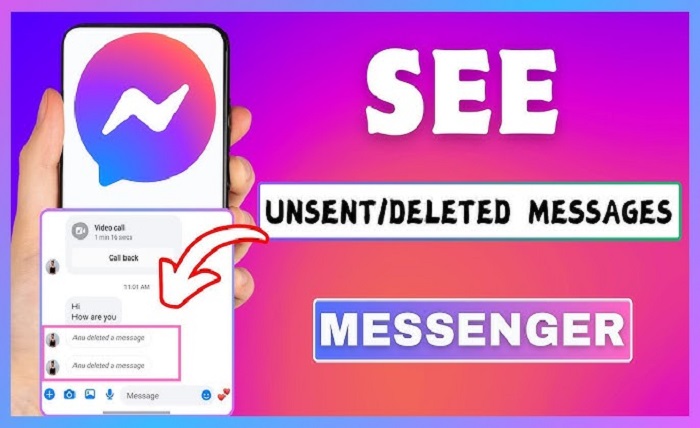
Unsent messages are drafts, thoughts, or complete texts that people write but never actually send. The idea of unsent messages often reflects emotions that are too complex, risky, or vulnerable to share openly. In many cases, unsent messages become a private emotional outlet, allowing people to express anger, love, regret, or confusion without consequences. The keyword unsent messages captures this hidden communication space where honesty exists without interaction. These messages often feel therapeutic because they allow individuals to say everything they cannot say out loud. Over time, unsent messages can accumulate in phones, notes apps, or journals, becoming a silent archive of emotional history.
Why People Create Unsent Messages Instead of Speaking
People write unsent messages for many psychological reasons, including fear of rejection, anxiety, or uncertainty about outcomes. The act of writing unsent messages provides emotional relief without the pressure of response. Many individuals use unsent messages as a way to organize thoughts before deciding whether to communicate them later. In relationships, unsent messages often represent things left unsaid during conflict or emotional moments. The keyword unsent messages also reflects how modern communication allows delayed or avoided confrontation. Instead of sending something impulsively, people choose to draft it and revisit it later, often deciding it is better left unsent.
The Psychology Behind Unsent Messages
Psychologically, unsent messages function as emotional regulation tools. When people experience intense feelings, writing unsent messages helps externalize thoughts that might otherwise feel overwhelming. The keyword unsent messages is closely tied to cognitive processing, where individuals attempt to make sense of emotional situations through writing. Studies in expressive writing suggest that even private writing can reduce stress and improve clarity. Unsent messages can also reveal inner conflicts, such as wanting closure but fearing vulnerability. This internal dialogue becomes a safe space where emotions can exist without external judgment or consequence.
Unsent Messages in Romantic Relationships
In romantic relationships, unsent messages are especially common. People often draft unsent messages to ex-partners, expressing love, anger, or unresolved feelings. The keyword unsent messages in this context highlights emotional attachment that continues even after separation. These messages can represent closure that was never achieved in conversation. Sometimes, individuals write unsent messages during arguments but choose not to send them to avoid escalating conflict. In other cases, they serve as imagined conversations, helping people process heartbreak or longing. Over time, unsent messages become emotional snapshots of relationship phases.
The Role of Unsent Messages in Digital Communication
Digital platforms have made unsent messages more common than ever before. With messaging apps, people can type, edit, and delete messages instantly. The keyword unsent messages is now part of everyday communication behavior in the digital age. Features like “drafts” and “delete for everyone” encourage users to reconsider their words before sending. This creates a new communication pattern where expression is no longer linear but iterative. Unsent messages often remain stored in apps or notes, reflecting thoughts that were paused before being shared. Digital communication has therefore expanded the space where unsent messages exist.
Emotional Healing Through Unsent Messages
For many individuals, unsent messages serve as a form of emotional healing. Writing unsent messages allows people to release feelings they may not be ready to share publicly. The keyword unsent messages is often associated with therapeutic journaling practices where expression is prioritized over communication. By writing without sending, individuals can process grief, anger, or disappointment safely. This practice helps create emotional distance from intense experiences. Over time, reviewing unsent messages can also provide insight into personal growth and changing emotional states, making them valuable reflections of healing journeys.
The Risk of Holding Onto Unsent Messages
While unsent messages can be helpful, they can also create emotional stagnation if overused. The keyword unsent messages highlights how unexpressed emotions may remain unresolved. When people continuously write but never communicate, they may avoid necessary conversations. This can lead to emotional buildup, misunderstandings, or prolonged attachment to past experiences. In some cases, unsent messages keep individuals mentally stuck in situations that have already changed. Learning when to let go or convert unsent messages into actual communication is important for emotional clarity and personal growth.
Unsent Messages as a Form of Self-Reflection
Unsent messages often act as mirrors for self-reflection. The keyword unsent messages is closely tied to introspection, as these writings reveal true thoughts without social filters. People often discover patterns in their emotions by reviewing what they repeatedly choose not to send. This can highlight fears, desires, or unresolved issues. Self-reflection through unsent messages can also improve emotional intelligence, helping individuals understand how they respond to different situations. In this way, unsent messages become tools for personal development rather than just emotional storage.
The Cultural Popularity of Unsent Messages
In recent years, unsent messages have become a cultural theme across social media and storytelling platforms. The keyword unsent messages appears in digital art, poetry, and online confession pages where people share anonymous thoughts. Many users relate to the idea of words left unsaid, making unsent messages a universal emotional concept. Platforms that allow anonymous posting have amplified this trend, turning private thoughts into shared experiences. This cultural popularity shows that unsent messages resonate deeply with human emotion across different backgrounds and age groups.
Unsent Messages and Regret Management
Regret is a major reason behind unsent messages. People often write unsent messages when they wish they had acted differently or spoken at a different time. The keyword unsent messages reflects this emotional tension between action and inaction. By writing but not sending, individuals explore possible outcomes without committing to them. This helps reduce immediate regret but may also prolong emotional uncertainty. Managing regret through unsent messages requires balance—acknowledging feelings while also deciding when communication is necessary for closure.
The Difference Between Unsent Messages and Silence
Unsent messages are not the same as silence. The keyword unsent messages represents active expression that remains private, while silence is often absence of expression altogether. Writing unsent messages means emotions are being processed internally, even if not shared externally. Silence, on the other hand, may indicate avoidance or emotional suppression. Understanding this difference helps clarify how people cope with communication challenges. Unsent messages show that even when words are not spoken, they still exist in emotional form and continue to influence thought patterns.
Unsent Messages in Modern Mental Health Practices
Mental health professionals sometimes recognize unsent messages as part of expressive writing therapy. The keyword unsent messages plays a role in helping individuals safely explore difficult emotions. Therapists may encourage patients to write unsent messages to process trauma, grief, or unresolved conflicts. This technique allows emotional expression without confrontation. It can also help individuals identify what they truly want to communicate in real life. In structured therapeutic settings, unsent messages become stepping stones toward healthier communication and emotional awareness.
Technology’s Influence on Unsent Messages Behavior
Technology has significantly shaped how unsent messages are created and stored. The keyword unsent messages is now linked with autosave features, chat drafts, and cloud storage. People can pause conversations indefinitely without losing their thoughts. This convenience has increased the volume of unsent messages globally. However, it also means more emotional content remains unshared. Technology has blurred the line between thinking and communicating, making unsent messages a permanent part of digital expression habits.
Conclusion
Unsent messages are more than just unfinished texts—they are emotional reflections, psychological tools, and digital artifacts of human experience. The keyword unsent messages reveals how deeply people think and feel before they decide to communicate. While some unsent messages provide healing and clarity, others may hold individuals back from resolution. Understanding their role helps us balance expression and action in healthier ways. Ultimately, unsent messages remind us that not all words need to be spoken to have meaning.
FAQs
What are unsent messages?
Unsent messages are written communications that a person chooses not to send. The keyword unsent messages refers to emotional or thoughtful drafts kept private instead of being shared.
Why do people keep unsent messages?
People keep unsent messages to process emotions, avoid conflict, or reflect on what they want to say. The keyword unsent messages often represents emotional clarity without external pressure.
Are unsent messages healthy?
Unsent messages can be healthy when used for reflection or emotional release. The keyword unsent messages becomes unhealthy only if it prevents real communication.
Can unsent messages help with breakups?
Yes, unsent messages can help people process breakup emotions. The keyword unsent messages allows individuals to express feelings they are not ready to share directly.
Should I delete my unsent messages?
It depends on personal preference. The keyword unsent messages can serve as emotional records, but deleting them may help some people move forward.