
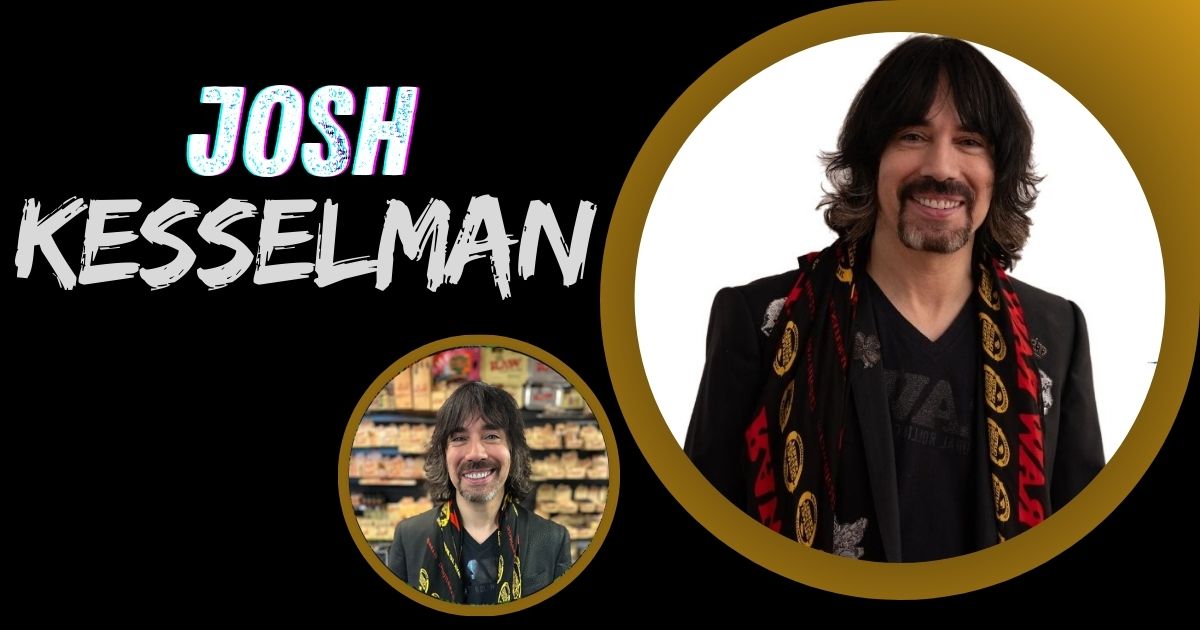
Josh Kesselman isn’t a household name in mainstream America. But inside the rolling paper world? He’s royalty. As the founder of RAW Rolling Papers, Kesselman turned a simple product into a global brand empire worth tens of millions. His story isn’t about luck. It’s about spotting a gap, filling it better than anyone else, and never letting go.
So what is Josh Kesselman net worth in 2026? Estimates put it between $45 million and $80 million. That range exists because RAW operates as a privately held company with no public financial disclosures. Everything analysts know comes from private company net worth estimates, acquisition reports, and industry growth projections. And honestly? That mystery makes the story even more interesting.
Josh Kesselman Net Worth
How much is Josh Kesselman worth right now? Based on available data, his net worth in 2026 falls between $45 million and $80 million. No audited statements exist. No SEC filings. Just smart analysis built on revenue multiples benchmarks, brand equity valuations, and reported deals.
The variance in the estimate reflects the nature of private valuation methodology. Analysts apply industry-standard 3x to 5x revenue multiples to estimated annual earnings, then layer in ownership stake assumptions and acquisition impacts. The result is a range, not a single number. That’s not a flaw in the research. That’s the honest reality of valuing a private empire.
| Year | Estimated Net Worth | Key Driver |
| 2015 | $10M to $15M | Early global expansion |
| 2020 | $30M to $40M | Licensing and brand growth |
| 2023 | $45M to $60M | Market dominance confirmed |
| 2026 | $45M to $80M | High Times acquisition and global reach |
Is Josh Kesselman a billionaire? No. But hitting $80 million as the founder of a niche consumer product company, without going public, is genuinely rare. Fewer than 1% of U.S. entrepreneurs ever cross the $10 million threshold. Kesselman crossed it years ago and kept climbing.
Read More: Coy Wire Net Worth: How the Former NFL Player Makes Money
How Josh Kesselman Built His Wealth
Kesselman’s career journey started long before RAW became a cultural phenomenon. He worked in smoke shop retail, grinding through the unglamorous side of the industry. Most people would have stopped there. He kept asking questions. What do customers actually want? What does the market refuse to give them? Those questions became the foundation of everything.
RAW launched in the mid-2000s with a radical concept: unbleached rolling papers made from additive-free paper products. No chemicals. No artificial whitening. Just an honest paper. American counterculture consumers, tired of corporate products that hid their ingredients, responded immediately. Counterculture identity marketing wasn’t manufactured. It was earned.
His income sources today span far beyond rolling papers. RAW generates revenue from smoking accessories like grinders, trays, and storage products. International licensing agreements bring in fees without requiring direct operational overhead. Branded merchandise adds another stream. And distribution partnerships across 100-plus countries create recurring, scalable income. That diversification is exactly why his wealth growth timeline looks so steady.
RAW Brand Valuation and Market Position
RAW brand valuation estimate depends heavily on how you calculate it. Apply a conservative 3x multiple to estimated annual revenue and you land near the bottom of the range. Apply a 5x multiple to a higher revenue figure and you approach the ceiling. Either way, the number is substantial.
The rolling paper industry revenue globally runs into the billions. RAW commands a significant slice of that through its global distribution network spanning more than 100 countries. That kind of global market penetration doesn’t happen by accident. It requires years of relationship building, quality consistency, and brand authenticity positioning that competitors struggle to replicate.
What gives RAW its unshakeable edge? Community-based branding. RAW didn’t build its audience through traditional advertising. It built it through organic influencer promotion before that term even existed. Authentic storytelling. Real engagement. The result is a brand dominance strategy that creates loyal customers who don’t just buy the product. They evangelize it.
Major Business Deals and Investments
The biggest headline in Kesselman’s business ventures is the High Times acquisition. He purchased the iconic cannabis media brand for approximately $3.5 million. That’s a bargain price for a brand with decades of cultural credibility in American cannabis culture. The High Times acquisition impact extends beyond media. It gave Kesselman narrative control, direct access to millions of cannabis consumers, and a platform to tell RAW’s story on his own terms.
Strategic acquisition impact shows up in his net worth estimate through media portfolio expansion. Owning a media brand adds a different class of asset to his investment diversification portfolio. Product companies and media companies value differently. Combining both under one ownership structure creates cross-promotional leverage that most competitors simply don’t have.
Beyond High Times, Kesselman has invested in licensing scale-up phases across new markets and expanded the lifestyle brand expansion strategy to include adjacent product categories. Each move reflects a clear philosophy: build real value, not paper value. Every deal serves the long-term brand rather than short-term metrics.
Philanthropy and Social Impact
Kesselman’s philanthropy isn’t a footnote. It’s a core part of how he runs his business. Reported contributions include millions directed toward charitable causes, large-scale tree-planting initiatives, and environmental sustainability campaigns. These aren’t small gestures. They’re structural commitments.
Why does this matter financially? Brand equity growth connects directly to consumer trust. When buyers believe a company shares their values, they don’t switch for a cheaper alternative. They stay loyal. They recruit new customers through word of mouth. Kesselman understands that authentic giving creates a loyalty loop that advertising budgets can’t manufacture.
His community-focused approach also aligns perfectly with RAW’s identity. A brand built on natural, honest products needs a founder whose actions match the message. Philanthropy in this context isn’t separate from the cultural branding strategy. It’s central to it.
Legal Issues, Controversies and Business Risks
No honest portrait of Kesselman skips the friction. His business has faced scrutiny over manufacturing origin claims, branding-related lawsuits, and media criticism. These are real issues. And they carry real business risk exposure.
Lawsuit history around branding representations is common at RAW’s scale. When a brand becomes this dominant, competitors and critics look for cracks. Some legal challenges have merit. Others are strategic nuisances designed to distract. Either way, unresolved legal exposure introduces regulatory landscape impact that analysts factor into private valuations.
The practical effect on his net worth? Legal risk can compress valuation multiples. A company worth 5x revenue on a clean legal record might trade at 3x with active litigation. That’s part of why the $45M to $80M range exists. The floor accounts for risk. The ceiling assumes resolution.
Personal Life and Lifestyle
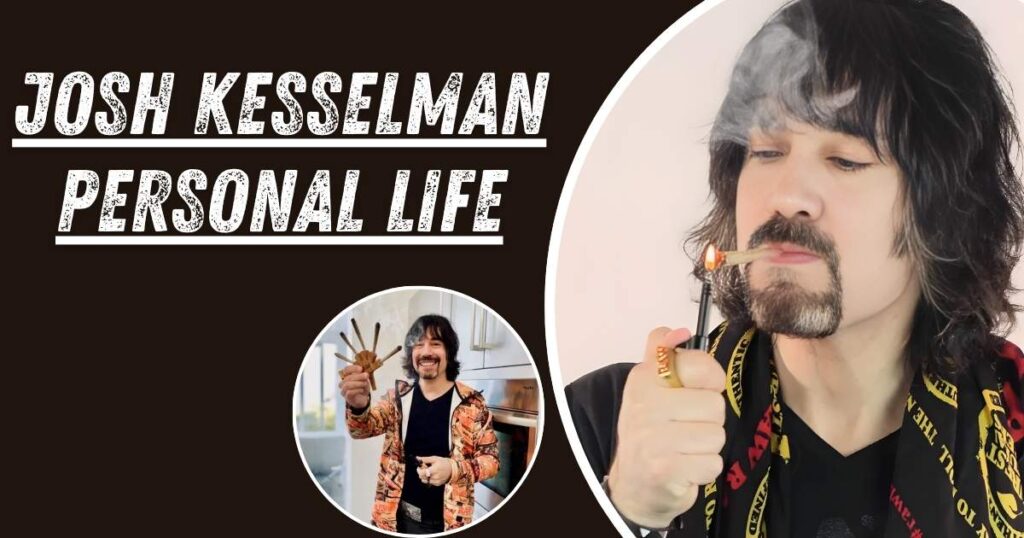
Kesselman’s age and biography details stay relatively private. He doesn’t project the flashy ultra-wealthy entrepreneur image common in American business culture. No fleet of jets. No tabloid appearances. His public persona centers on authenticity, which tracks perfectly with the brand he built.
His lifestyle reflects his values more than his bank account. He shows up for community events. He engages directly with consumers. He talks about products with the same passion he had in a smoke shop decades ago. That consistency matters. It’s the reason RAW’s RAW Rolling Papers ownership structure retains credibility even as it scales globally.
Comparison With Other Industry Entrepreneurs
| Entrepreneur Type | Est. Wealth | Business Model | Wealth Driver |
| Rolling Paper Brand Founder | $45M to $80M | Consumer product brand | Brand equity and licensing |
| Cannabis Cultivation Executive | $100M or more | Production and distribution | Volume and scale |
| Public Cannabis CEO | $200M or more | Public equity holdings | Stock valuation leverage |
The gap between Kesselman and public-market executives reflects structure, not talent. Public CEOs leverage stock valuations in ways private founders can’t. If RAW ever pursued an IPO, the RAW company valuation would likely shift dramatically upward.
Future Net Worth Projection (2027 to 2030 Outlook)
Future net worth projection for Kesselman points upward under most scenarios. Continued RAW global expansion strategy into untapped markets, successful integration of High Times as a media vehicle, and growing mainstream U.S. acceptance of cannabis culture all support a bullish case.
Risks remain real. Regulatory landscape impact in key markets could compress revenues. Competition from well-funded rivals targeting the same consumers adds pressure. And legal challenges left unresolved could limit valuation multiples.
The realistic middle path? His net worth growth chart continues climbing steadily. Not dramatically. Not because of a lucky exit. But because the underlying business fundamentals remain strong and the RAW market share worldwide continues expanding.
Net Worth Calculation Methodology
Private valuation methodology for Kesselman’s wealth relies on four inputs. First: estimated RAW company annual revenue using industry benchmarks and distribution scale signals. Second: revenue multiples benchmark applied at 3x to 5x depending on risk adjustment. Third: ownership stake assumptions based on reported company structure. Fourth: strategic acquisition impact from deals like High Times.
This approach is transparent about its limits. These are estimates, not audited disclosures. Anyone presenting a single precise figure for a private company founder is oversimplifying. The range is more honest and more useful.
Key Financial Milestones
- Mid-2000s: RAW Rolling Papers launches with unbleached, additive-free paper. Market entry achieved.
- 2015: First major wave of global market penetration. Products reach 100-plus countries.
- 2020: Licensing scale-up phase drives income diversification beyond core product sales.
- 2023: High Times acquisition closes at approximately $3.5 million. Media portfolio expands.
- 2026: Consolidated estimated valuation reaches $45M to $80M.
Media Presence and Cultural Influence
RAW media strategy expansion runs deeper than most brands at this scale. The High Times acquisition gives RAW direct access to one of cannabis culture’s most trusted editorial voices. That’s not just advertising. That’s credibility transferred through ownership.
Organic influencer promotion remains RAW’s strongest marketing channel. The brand built its audience through genuine community relationships, not paid placements. That community-based branding approach creates durable loyalty that traditional media spending can’t replicate.
As RAW Rolling Papers revenue grows, so does the brand’s ability to invest in content, community, and cultural positioning. The media strategy isn’t separate from the product strategy. They reinforce each other continuously.
SWOT Analysis of the RAW Empire
Strengths:
- Ironclad brand authenticity positioning built over two decades
- Global distribution network across 100-plus countries
- Fiercely loyal American and international customer base
- Authentic origin story no competitor can replicate
Weaknesses:
- Private company net worth estimate uncertainty limits capital access
- Business risk exposure from regulatory changes in key markets
- Leadership concentration creates succession risk
Opportunities:
- Media portfolio expansion beyond High Times
- Lifestyle brand expansion into adjacent wellness product categories
- Potential private equity event or IPO as a RAW private company financial estimate catalyst
Threats:
- Rising competition from well-capitalized rivals
- Regulatory landscape impact on cannabis-adjacent markets
- Brand dilution risk from over-extension
FAQ’s
What is Josh Kesselman’s estimated net worth in 2026?
Josh Kesselman’s net worth in 2026 sits between $45 million and $80 million, built entirely through RAW Rolling Papers and strategic business acquisitions.
How did Josh Kesselman make his money?
He built wealth through RAW Rolling Papers sales, international licensing agreements, smoking accessories, branded merchandise, and his bold High Times media acquisition.
Is Josh Kesselman a billionaire?
No, Josh Kesselman isn’t a billionaire. He’s a self-made multi-millionaire whose private company status keeps exact figures undisclosed and unverified by public records.
Why is RAW Rolling Papers so valuable as a brand?
RAW’s value comes from two decades of authentic community branding, global distribution across 100-plus countries, and fiercely loyal consumers who never switch brands.
What was the High Times acquisition and why does it matter?
Kesselman acquired High Times for roughly $3.5 million, gaining major media influence, cultural credibility, and direct access to millions of engaged American cannabis consumers.
Conclusion
Josh Kesselman net worth reflects what authentic brand-building looks like at scale. The $45M to $80M estimate isn’t driven by stock market luck or a flashy IPO. It’s the result of two decades of deliberate work: identifying a real need, building a genuine brand, scaling it globally, and staying true to the values that made it resonate.
His story carries a lesson every American entrepreneur should study. Niche markets, built with authenticity and patience, can generate extraordinary wealth. RAW Rolling Papers proved it. And Josh Kesselman’s wealth growth timeline suggests the best chapters are still ahead.